Showing posts with label Bird of the Week. Show all posts

Wednesday, March 2, 2016

Bird of the Week

Hairy Woodpecker (Picoides villosus)


The Hairy Woodpecker is larger of the two almost identical woodpeckers.  The Downy Woodpecker being the smaller one. They are a common woodpecker in North America in mostly medium and large tree forests.   The medium-sized Hairy Woodpecker's diet consists mostly of insects usually those that are in the larvae stage.  One of their favorite snacks are the larvae of wood boring beetles which they peck away at bark and trees to get at.  This makes them a good pest controller and can help the overall health of woodlands.  The Hairy Woodpecker is a frequent visitor to seed and suet feeders too.  Seeds and berries make up about 15-20% of their overall diet. 

 The Hairy Woodpecker excavate a nest cavity in a dead or partially dead tree.  They line the cavity with just a bed of wood chips for the eggs and hatchlings.  Typically, they have between 3-6 eggs and have one brood per breeding season.  

Fun Facts about the Hairy Woodpecker

-The Hairy Woodpecker is known to follow around their larger cousin, the Pileated Woodpecker. They clean up the insects that the larger woodpecker left behind

-The oldest known Hairy Woodpecker was almost 16 years old.  

-The Hairy Woodpecker will sometimes drink some leaking sap from a tree.

If you have a favorite bird you want highlighted send me an email or comment on the Facebook page.   Happy Birding! 


Wednesday, December 16, 2015

Bird of the Week

Greater Roadrunner (Geococcyx californianus)

Photo Credit: Dick Daniels/Wikimedia Commons
This one goes out to my aunt and cousin who live in New Mexico.  I was lucky enough to see one while visiting them a little while back.  No other bird is synonyms with desert life like a Roadrunner though they do live in other habitats like grasslands.  What an amazing bird to thrive in such a harsh habitat.

The Greater Roadrunner is a large member of the Cuckoo family who adapted a special skill of running and foraging on the ground rather than flying.  They can fly but not very well.  They eat mostly meat.  The Roadrunner hunts reptiles, small mammals, insects, centipedes, scorpions and, other birds.  The Greater Roadrunner will even take on the poisonous rattlesnakes and peck them repeatedly in the head till they die.  The Roadrunner bashes larger prey against rocks to make them easier to swallow.

 Ironically, the Greater Roadrunner nest in trees, bushes and cactus off the ground sometimes up to ten feet tall or higher.  This is probably why they still have the ability to fly.  Roadrunners mate for life and are known for their elaborate courtship rituals every mating season.

Fun Facts about the Greater Roadrunner 


-The Roadrunner was made famous by the Looney Tunes cartoon.  It first appeared in 1949.

-Though Willy E. Coyote is much slower than the Roadrunner in the cartoons, in real life a coyote is twice as fast as a Roadrunner and is a dangerous predator for them.    

-Roadrunner has adapted to their dry habitat by secreting salt out of a gland in front of their eyes.  This process uses less water than secreting through the kidneys and urinary tract.  

Have you seen a Greater Roadrunner or have any stories about them?  Tell us about it in the comments or on the Facebook page.  Thanks for reading and happy birding!

Thursday, November 19, 2015

Bird of the Week

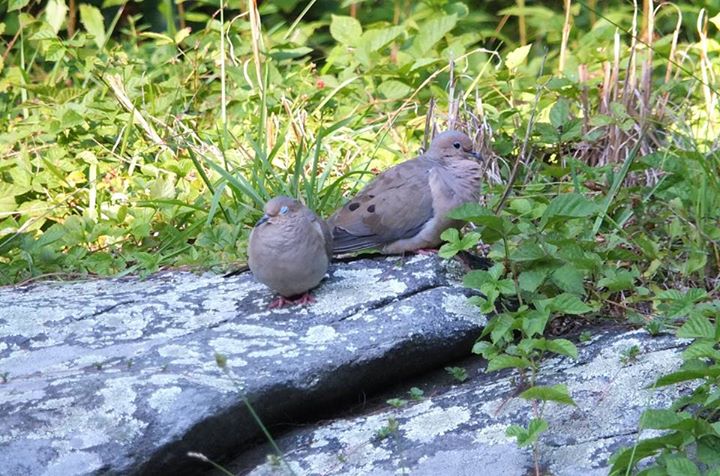
Mourning Dove (Zenaida macroura)


The Mourning Dove has one of the most beautiful but haunting calls of any bird.  Their sad call fits a bird that is on almost every predators menu including humans.  Even with all that, the Mourning Dove's population is doing well in the United States.  They are very adaptive and can thrive in rural and urban areas alike.

The Mourning Dove forges on the ground for seeds which makes up almost all of their diet.  They are frequent visitor to bird feeders and they walk around the ground underneath the feeder pecking at seeds.  They store all that seed in their crop till they can digest in a safer location.  Mourning Doves will eat close to 20% of their body weight daily.

The Mourning Dove can have up to 6 broods per breeding season.  Each brood usually includes 2 eggs.  I guess you would need that many new birds to keep the population stable.

Fun Facts about the Mourning Dove 

- Mourning Doves wings make a whistling noise when they take off and land caused by the contour of their flight feathers.  

-Mourning Doves is a very popular game bird.  Over 20 million are killed every year.  

-Mourning Doves can adapt to areas like deserts with little fresh water by drinking brackish water.  

Thanks to my sister for the nice shot of these two Mourning Doves relaxing(maybe digesting all that seed?).  Share your experience with the Mourning Dove in the comments.